


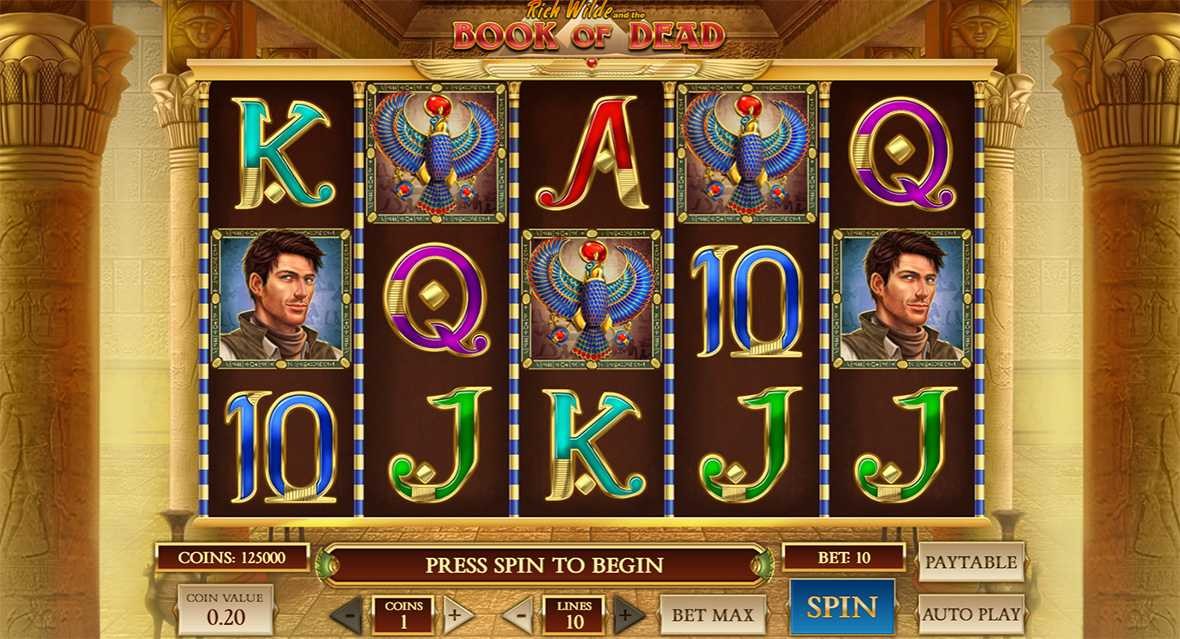
background

Play Book Of Dead Slot In Austria

Practical steps for playing in Austria: Set stakes, activate limits, withdraw securely, and keep 18+ in mind.

Book of Dead
Book of Dead

Play Book Of Dead Slots In Austria

Mobile or desktop - getting started often seems simple: open an account, deposit, start playing. Nevertheless, your process determines whether it feels like entertainment or chaos. In Austria, you should expect age verification, limits, and a clean profile to be part of normal usage - not as a hurdle, but as a framework.

Imagine you have 20 minutes and just want to “spin for a bit”. Many start without a plan, increase their bets after a few empty rounds, and only later realize that the session became longer and more expensive than expected. Do it differently: First, decide how long you'll play, how much you're willing to bet at most, and when you'll stop - before you even get into the game flow.

The mindset is also important: Big moments don't come on demand. It's about staying calm, enduring the tension, and not “fixing” every fluctuation with a new bet. If you accept this, you'll play more controlled - and ultimately benefit more from it.

All promotional incentive structure is clearly stated in writing and/or via electronic means in an easily understood manner. All codes are accompanied by an explanation of what the code is for, who is eligible to use the code, and how it should be used. As such, players are less likely to be confused about what is required of them in order to receive a reward and how the reward will be applied after receiving it. The promotional incentives provided to participants provide them with time to become familiar with the gaming system's mechanics, their interface, and progress, before deciding how deeply they wish to become involved with this platform. Therefore, players are encouraged to participate in an informed manner, rather than being pressured or tempted to act quickly.

game image 1
Book of Dead

The Book Of Dead Game: What You Should Check in 2026

In 2026, technology is fast, but that doesn't mean your decisions are automatically good. A modern interface invites quick clicks: autoplay, turbo mode, fast deposits, instant switching between games. This is precisely where you need some firm rules so you don't get swept away by the pace.

Imagine you're playing on your phone on the train, the connection is fluctuating, and you tap twice out of reflex. Suddenly you're unsure if an action really went through. The best protection is simple: only play with a stable connection, briefly check your account balance and history after each block, and avoid frantic re-clicking if the screen briefly “freezes”.

Your environment also matters. On a desktop, you're often more focused; on a phone, you're more easily distracted (messages, apps, music). That's why short sessions with clear breaks on a smartphone work better than “I'll see how long I feel like playing”. A timer seems unspectacular, but it's one of the most effective tricks against the blurring of time.

game image 2
Book of Dead

Book Of Dead Online Slot: Setup for 2026

If you use this game online, a small start-up routine helps: first, tidy up account details, then set limits, then define a session budget, only then start. This sounds like a lot - but in practice, it takes only a few minutes and later saves you the typical problems related to payments, withdrawals, and stress clicks.

Imagine you're in profit and just want to “secure it quickly”, but a confirmation is missing in your profile or a detail doesn't match. Exactly at that moment, joy quickly turns into frustration. Those who clean up beforehand can remain calm later - and precisely calm is worth gold when playing.

Also for 2026: security is not optional. Use device lock, biometrics, strong passwords, and log out after each session, especially if you're not alone on the device. Sounds strict? It's not. It's simply a habit that prevents trouble.

Book Of Dead Slots: Bet and Rhythm

When betting, it's not about courage, but about control. Choose an amount that allows you to play several blocks without being “empty” in five minutes. Many underestimate how much short losing streaks can turn the mood - and how quickly one then unconsciously re-bets.

Imagine you start with small amounts, then ten rounds pass without a significant hit. The impulse is: raise the bet so “something finally happens”. Turn the tables: stick to the plan, take a short break after a block, and only then decide if you want to continue playing. If you catch yourself continuing just to salvage a feeling, that's a stop signal.

A simple rhythm is helpful: 20-30 rounds, a break, a quick check. Not to control every number, but to control yourself. You want to play, not be driven.

Book Of Dead Slot Machine: Operation on Mobile and Desktop

The “machine” feels different depending on the device. On a desktop, you see more details simultaneously; on a phone, everything is more compact - and this often leads to misclicks when it comes to bets, autoplay, or speed. That's why it's worth consciously going through the settings before starting: bet, autoplay limit, stop on win/loss, sound, turbo.

Imagine you activate autoplay and briefly put your phone away because someone calls. Many realize too late that the series continues and the budget shrinks faster than planned. If you use autoplay, do so only with strict limits: a fixed number of rounds and a clear stopping point. Even better: play manually if you are distracted anyway.

Even small things make a difference in 2026: screen brightness, power saving mode, app switching in the background. If your device throttles, you often react with haste. And haste in gaming is almost always the beginning of bad decisions.

H4 Account, Age Verification, and Security

A clean account is the basis for everything else. Use correct data, take the 18+ rule seriously, and assume that identity verification will become relevant either early on or at the latest when withdrawing, depending on the situation. This is not a statement about “licenses” but simply the usual practice of responsible platforms within applicable regulations.

Imagine you want to withdraw immediately after a good session and suddenly get a request to confirm data. If you then start searching for what you need to upload where, it becomes unnecessarily complicated. Better: do these steps while you are calm - then the withdrawal will later remain a normal process instead of a nerve-wracking ordeal.

H4 Withdrawal, Limits, and Support

Withdrawals often work in clear steps: choose method, confirm amount, submit request, check status. Depending on the payment method, this can be faster or slower, and sometimes additional checks are triggered. Therefore, never plan as if the money “absolutely must be there today”.

Imagine the status doesn't change immediately and you become restless. Many then continue playing “while they wait” - and lose track. Instead, make a cut: end the session, note the time and amount, then only contact support if there's a real problem. Short, concrete information usually helps more than long explanations.

Book of Dead

Payments and Budget: How to Stay Calm

When you think about bets, first think about your budget. Set a session budget that has nothing to do with fixed costs, and divide it into parts. This way, you have several “attempts” without a bad block pushing you directly into “now I have to get it back” mode.

Imagine you have 40 Euros for the evening. Many play this as one pot and are surprised when pressure builds up after a few minutes. It's better to divide it into four blocks of 10 Euros each. After each block, you stop briefly and decide anew: continue, wind down, or quit.

A look at payment methods also helps here, not as advertising, but as a control: Some methods feel too “easy” and tempt you to reload quickly. If you know you tend to do that, consciously choose a method that gives you a moment to think.

Payment Method

Typical Process

Good For

What You Should Pay Attention to in 2026

Bank Card

Choose amount, confirm, instantly available

Quick start with clear overview

Check limits, keep data consistent

Bank Transfer

Initiate order, await receipt

Planned sessions, larger planning

Duration may vary, set reference clearly

E-Wallet

Connect wallet, authorize

Separation of game funds and bank

Activate security, note account reconciliation

Prepaid Voucher

Enter code, use balance

Strict budget, no accidental reloading

Often a different method is needed for withdrawals

Digital Assets

Send transfer, await confirmation

Flexibility depending on availability

Account for fees and exchange rate fluctuations

Deposit Routine Without Impulse Purchases

Make deposits a conscious decision, not a reaction. A simple trick: If you want to deposit a second time within the same session, force yourself to take a break. Two minutes are enough. During this break, ask yourself a question: “Do I still want to play, or do I just want to push away a feeling?”

Imagine you're annoyed after a losing streak and think a small top-up will solve the problem. Most of the time, it doesn't solve it – it only prolongs the moment of restlessness. If you still want to play after the break, okay. But then you play consciously again, not automatically.

Plan Withdrawal Before You Win

This sounds counterintuitive, but it's practical: Define before starting when you will secure a portion. For example: as soon as you are significantly in profit, a portion is “locked” for yourself by mentally marking it as a withdrawal amount. The rest remains entertainment money.

Imagine you hit a good moment and your mind says: “Now increase, now push.” That's exactly where a plan helps. You take a step back, secure a portion, and take the pressure off. This keeps the session enjoyable - and you reduce the risk of leaving winnings in the game just because you're in the flow.

How to Contact Support Correctly

If you need help, don't write “it's not working”, but provide facts: time, amount, payment method, exactly what you wanted to do, and what happened on the screen. Keep it short. Those who ask precisely usually get a precise answer faster.

Imagine you're irritated and typing a long message full of emotions. That's human, but rarely helps. Be pragmatic: Jot down the info, take a breath, then write a clear request. That immediately feels more controlled.
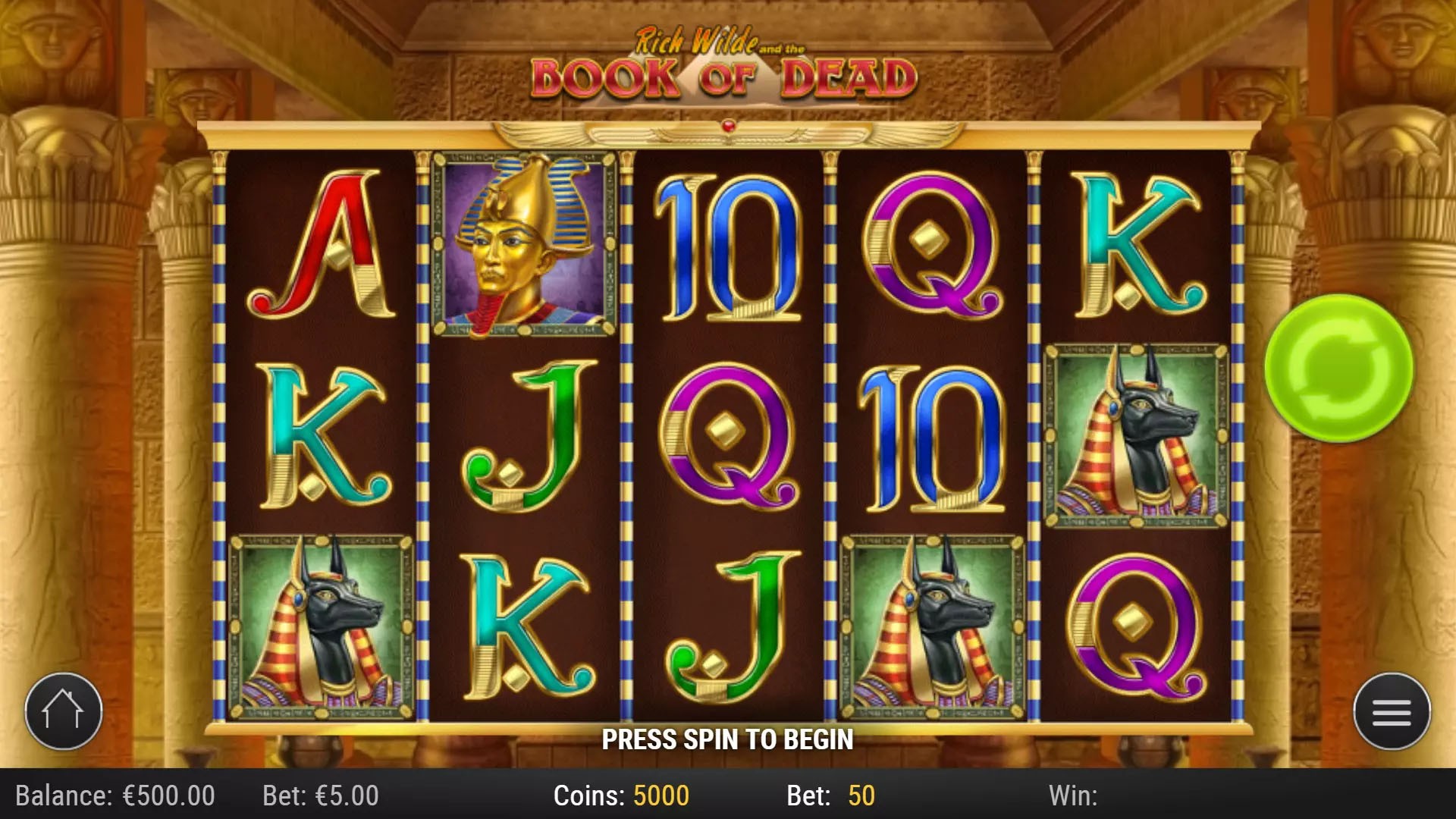

game image 3

Book of Dead Casino Bonus Codes Activation Process

Book of Dead Casino Bonus Codes Conditions

Book of Dead

Top casinos for playing Book of Dead - current list

ALF Casino
ALF Casino
Mafia Casino
Mafia Casino
LeoVegas
LeoVegas
Book of Dead Betway
SG Casino
Book of Dead Betano
Retro Bet

Responsibility and Features: Set Limits, Don't Regret

Responsible gaming is not a moral lecture, but a toolbox. If you play in Austria, use timeouts, reality checks, and self-exclusions if you notice that you are no longer making “free” decisions. 18+ is the clear basis - and everything beyond that is self-protection.

Imagine you're playing late at night and notice you're clicking faster and thinking less. Many tell themselves: “I'll stop in a moment.” Often, it still doesn't happen. That's exactly what pause functions are for: They stop the moment before it pulls you further in.

Limits That Really Work

Set limits that you cannot immediately circumvent. Deposit and loss limits directly affect the most important levers. Time limits are the second protection because time on your phone disappears particularly quickly. Combine both, and you'll notice: You play more relaxed because you don't have to constantly fight against yourself.

Imagine you're having a good day today and set a limit that you find “too strict” tomorrow. That's exactly the point: Limits are not for moments of exhilaration, but for days when you are more vulnerable. Set them so they protect you even then.

Timeout and Self-Exclusion Without Drama

A timeout is a short break, a self-exclusion is a clear cut. Both are useful, depending on how your gaming behavior currently feels. You don't have to be “at rock bottom” to use something like this. Sometimes a pattern is enough: you play too often, too long, or too impulsively.

Imagine realizing after ten minutes that you're just clicking to recover a loss. That's a perfect moment for a timeout. No heroics, no discussion. You set the stop and give yourself space to think clearly again.

Autoplay, Turbo, and the Illusion of Control

Playing faster feels like you're getting “more chances.” In reality, you're primarily getting more decisions per minute - and thus more opportunities to make unconscious mistakes. If you use Turbo or Autoplay, do so only within a clear framework: few rounds, fixed stops, no reloading in the middle of a series.

Imagine you set Turbo because you “just want to play for a bit,” and suddenly 200 rounds are over. This doesn't happen because you're “weak,” but because the pace overwhelms you. Reduce speed if you notice you're losing track. Slower is often safer and ultimately more pleasant.

Reading Bonus Conditions Practically

It's best to read bonus rules like a shopping list: What applies, what is excluded, what are the betting limits, and what needs to happen before a payout is free? You don't need to memorize exact numbers, but you need a sense of whether you're committing to a longer “running program” or if it remains flexible.

Imagine you accept an offer and later wonder why you can't withdraw everything immediately. This feels like a trick, but it's often simply the consequence of a rule you overlooked. If you don't like conditions, play without extras. That's a completely legitimate decision.

Mobile Everyday: Small Habits, Big Effect

Mobile sessions are best when they are intentionally kept short. Turn off notifications that pull you back without a plan, use a timer, and only play when you truly have time and peace. In 2026, your phone is always with you - precisely why you need clear boundaries, otherwise opportunity will constantly tempt you to play.

Imagine you open the app every time you're briefly bored. Suddenly, playing is no longer an event, but a habit. That's exactly where you should stop, because habit eats away at control. Make it a planned activity again: fixed time slots, fixed budgets, clear endings.

Short Checklist for Every Session

Before starting: Set budget, choose time slot, check limits, set stake, turn off Autoplay or strictly limit it. During: Play in blocks, take short breaks, check mood. Finally: Secure a portion if in profit, consistently stop if in loss, log out.

Imagine you're in the flow and want “just five more minutes.” This is usually the moment when mistakes creep in. If you know the checklist, you have a clear exit: pause, decide, done. This way, it remains entertainment - and not something that controls you.

FAQ

How do I set a suitable budget?

Take an amount that remains after fixed costs and divide it into several small blocks. This way, a bad section doesn't feel like an “all or nothing.” If you notice you want to top up, take a short break first - then you'll decide more clearly.

Which limits should I activate first?

Start with deposit or loss limits, as they directly protect your budget, and then add a time limit. Many players underestimate how quickly mobile sessions become longer than planned. With both limits combined, the framework becomes noticeably more stable.

What do I do if I want to continue playing after losses?

Recognize the moment as a signal, not a challenge. Take a break or a timeout and step away from the screen for a moment. If you still want to play afterward, start with a smaller stake and a fixed block - without “recovering” as the goal.

How do I avoid misclicks on my phone?

Before starting, go into the settings once and check stake, autoplay, and speed. Don't play with a shaky connection or very low battery, as the interface often reacts with a delay then. If something freezes, wait a moment and first check the history instead of tapping multiple times.

Why does a withdrawal sometimes take longer?

Depending on the payment method and internal checks, processing can take varying amounts of time. Therefore, never plan as if the money will be immediately available, and keep your profile consistent to reduce inquiries. If there's an issue, a clear support message with the time, amount, and method helps.

When is self-exclusion useful?

If you notice that playing is becoming a habit, you frequently deposit impulsively, or you feel bad after sessions. Self-exclusion is not a drama, but a protective shield that gives you time to gain distance. For short situations, a timeout is often sufficient.

How do I keep the game responsible?

Make it plannable: fixed time, fixed budget, clear stops, and no playing when you are tired, stressed, or irritable. Use pause functions if you notice you are no longer making conscious decisions. And stick strictly to 18+ - that is the clear basis.

Play Now
🇬🇧 English